
Book Appointment Now

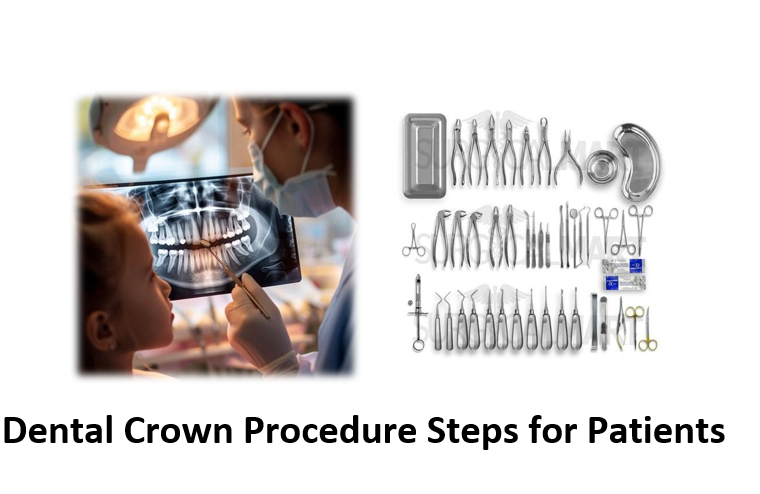
Medical Experts Outline Essential Dental Crown Procedure Steps for Patients
The landscape of restorative dentistry has undergone a massive transformation in recent years, with patient expectations shifting toward procedures that offer both durability and aesthetic perfection. For many individuals facing tooth decay or structural damage, understanding the dental crown procedure steps has become a priority to ensure they make informed decisions about their oral health. Modern dental offices are now utilizing advanced technology to make these treatments faster, more comfortable, and incredibly precise.
Recent reports in dental health journals suggest that the demand for crowns is at an all-time high, driven by an aging population and a growing interest in cosmetic enhancements. Whether it is a cracked tooth, a large cavity that a filling can no longer support, or the final touch on a dental implant, the process remains a cornerstone of restorative care. This surge in interest brings a spotlight to the specific methodologies used by clinicians today to restore a patient’s smile.
Navigating the world of dental restoration often starts with a single realization: a tooth needs more than just a quick fix. When a tooth’s integrity is compromised, a crown acts as a protective “cap” that restores its shape, size, strength, and appearance. Let’s dive deep into the contemporary approach to this common clinical intervention, highlighting what you can expect during the journey toward a healthier mouth.
Contents
hide
The Preliminary Assessment: Setting the Foundation
Source: Bing Images
Every successful restoration begins with a comprehensive evaluation of the oral environment. During this initial phase, a dentist will typically take X-rays to check the roots of the tooth receiving the crown and the surrounding bone. This is a critical moment in the dental crown procedure steps because it identifies potential issues like infection or decay in the tooth’s pulp.
If extensive decay is discovered or if there is a risk of infection to the tooth’s nerve, a root canal treatment might be necessary before the crown can be placed. This ensures that the foundation for the new crown is stable and free from underlying pathology. The dentist will also discuss material options, ranging from porcelain-fused-to-metal and all-ceramic to the increasingly popular zirconia.
Communication is vital during this stage to align expectations regarding the final look and feel of the restoration. The dentist will examine your bite to see how the upper and lower teeth interact. This prevents future issues such as jaw pain or the premature wear of the new crown after it has been permanently bonded.
Current trends in the news suggest that digital scanning is slowly replacing traditional “goop” impressions even at the diagnostic stage. Many clinics now use intraoral cameras to create a 3D map of your mouth. This high-tech approach allows for a level of precision that was simply not possible a decade ago, making the planning phase much more accurate.
The goal here is to create a roadmap for the entire treatment. By the end of the first visit, a clear plan is established, and the patient understands the timeline involved. This transparency helps alleviate anxiety and builds trust between the clinical team and the patient.
Medical Experts Outline Essential Dental Crown Procedure Steps for Patients
The Tooth Preparation Phase: Precision and Comfort
Once the plan is in place, the actual physical work on the tooth begins. This step involves reshaping the tooth to make room for the crown to sit comfortably over it. To ensure a painless experience, the dentist will first numb the tooth and the surrounding gum tissue using a local anesthetic.
The amount of tooth structure removed depends entirely on the type of crown being used. For instance, all-metal crowns are thinner and require less tooth removal than porcelain or porcelain-fused-to-metal versions. This part of the dental crown procedure steps requires a steady hand and a keen eye for detail to ensure the margins are smooth and well-defined.
If a large area of the tooth is missing due to decay or damage, the dentist may use a filling material to “build up” the tooth. This provides a sufficient base and enough surface area for the crown to adhere to. It is a delicate balance of removing just enough and keeping enough of the natural tooth structure.
Modern techniques focus heavily on preserving as much of the natural enamel as possible. Minimally invasive dentistry is a recurring theme in recent health news, as it leads to better long-term outcomes for the patient. After the shaping is complete, the tooth is ready for the next critical phase: capturing its unique dimensions.
Impression Accuracy in the Digital Era
Source: Bing Images
After the tooth has been prepared, the dentist must capture an exact replica of the area. This ensures that the custom-made crown fits perfectly within the space and aligns with the opposing teeth. This is often cited as the most critical of the dental crown procedure steps regarding the final comfort of the restoration.
In the traditional method, a putty-like material is placed in a tray and held in the mouth for several minutes. While effective, this can be uncomfortable for patients with a sensitive gag reflex. Fortunately, the “News” in the dental world is the rapid adoption of digital impressions which are much more patient-friendly.
Digital scanners use a small wand to take thousands of tiny images of the prepared tooth. These images are then stitched together by software to create a highly accurate 3D model. This model is sent electronically to a dental laboratory, often shortening the turnaround time for the final product.
The laboratory technicians use this model to craft the crown, paying close attention to the shade and contour. They aim to match the color of the surrounding teeth so the crown looks completely natural. The precision of these digital files reduces the need for adjustments when the crown is finally fitted.
During this waiting period, which usually lasts about two weeks for lab-made crowns, a temporary crown is placed. This temporary cap protects the prepared tooth and prevents it from shifting. It is usually made of acrylic and held in place with temporary cement so it can be easily removed later.
The Temporary Phase: Living with an Interim Restoration
Living with a temporary crown requires a bit of care and caution. Since it is held in place with weak cement, patients are usually advised to avoid sticky or very hard foods. This prevents the temporary from being pulled off or broken before the permanent crown is ready.
It is important to keep the area clean, but flossing requires a specific technique. Instead of pulling the floss back up through the teeth, it is recommended to slide it out through the side. This prevents the floss from catching on the edge of the temporary crown and dislodging it.
This phase is an essential part of the dental crown procedure steps because it maintains the space for the final restoration. If the temporary crown falls off and isn’t replaced quickly, the adjacent teeth might tilt or shift. Even a tiny movement can mean the permanent crown won’t fit correctly when it arrives.
If a temporary crown does come loose, it is usually considered a minor dental emergency that can be fixed quickly. Most dentists will fit you in for a short appointment to re-cement it. This ensures the health of the underlying tooth remains protected from sensitivity and bacteria.
While the temporary crown might not be as aesthetic as the final version, it serves its purpose well. It allows the patient to chew and speak normally while the laboratory artists finish their work. The transition from the temporary to the permanent is often a highlight for many patients.
Final Placement: Bringing the Smile Together
Source: Bing Images
The final appointment is usually shorter and marks the culmination of the process. The dentist will remove the temporary crown and clean any remaining cement from the prepared tooth. This is the moment when the custom-crafted permanent crown is finally tried on for size.
Before permanently bonding it, the dentist will check the fit, the color match, and the “bite.” They will often ask you to bite down on a piece of articulating paper to see how the crown meets the opposing teeth. Ensuring the dental crown procedure steps are followed with precision means that only minor adjustments are usually needed at this stage.
Once both the dentist and the patient are satisfied with the look and feel, the crown is ready for permanent cementation. A special dental adhesive is applied inside the crown, which is then placed firmly onto the tooth. Some cements are cured using a special blue light that hardens the material in seconds.
After the cement has set, the dentist will clear away any excess material from around the gum line. This ensures that the area remains easy to clean and that the gums stay healthy. You will likely be asked to wait a short period before eating hard foods to allow the bond to reach its full strength.
The feeling of a new crown can sometimes take a few days to get used to. However, it should quickly feel like a natural part of your mouth. If the bite feels “high” or uneven after the anesthesia wears off, a quick follow-up visit for a slight adjustment is all it takes to resolve the issue.
Advancements in Material Science: Why Choice Matters
One of the reasons dental crowns are frequently in the health news today is the incredible advancement in material science. For a long time, porcelain-fused-to-metal was the gold standard, providing strength with a tooth-colored exterior. However, these often left a dark line at the gum line over time.
Enter Zirconia and E-max (lithium disilicate) crowns, which have revolutionized the industry. These materials are incredibly strong, often more durable than natural enamel, and possess translucent properties that mimic real teeth perfectly. Choosing the right material is a vital component when navigating the dental crown procedure steps with your provider.
Zirconia is often the choice for molars, where the biting force is strongest, because it is virtually indestructible. E-max, on the other hand, is frequently used for front teeth due to its superior light-reflecting qualities. Your dentist will help you weigh the pros and cons of each based on your specific needs.
Furthermore, the rise of “Same-Day Crowns” using CEREC technology is a game-changer for many. This involves using a computer-aided design and manufacturing (CAD/CAM) machine right in the dental office. While not every case is suitable for this, it allows the entire procedure to be completed in a single visit.
The ability to walk into a clinic with a broken tooth and walk out two hours later with a permanent, high-quality crown is a testament to how far dental technology has come. This innovation reduces the need for temporaries and multiple injections of anesthesia. It is a popular choice for busy professionals who cannot afford multiple appointments.
Maintenance and Longevity: Protecting Your Investment
Completing the dental crown procedure steps is a significant investment in your health, so proper aftercare is essential. A well-placed crown can last anywhere from 10 to 15 years, and in many cases, even longer. The key to longevity is maintaining excellent oral hygiene and regular dental check-ups.
It is a common misconception that a crowned tooth cannot decay. While the crown itself is made of inorganic material, the natural tooth structure underneath and at the margins is still susceptible to plaque and bacteria. Brushing twice a day and flossing daily is non-negotiable for protecting the base of the crown.
Using a non-abrasive toothpaste is often recommended to avoid scratching the surface of the porcelain. If you have a habit of grinding your teeth at night (bruxism), your dentist might suggest a night guard. This protective barrier prevents the immense pressure of grinding from chipping or cracking your new restoration.
Regular professional cleanings are also vital. Hygienists use special instruments designed to clean around crowns without damaging the margins. These visits also allow the dentist to inspect the crown for any signs of wear or failure that might not be visible to the naked eye.
Ultimately, the success of a dental crown depends on the synergy between professional clinical skill and diligent home care. By understanding the process and following through with maintenance, you can enjoy a functional and beautiful smile for decades to come. Modern restorative dentistry has made the path to a perfect smile more accessible and reliable than ever before.
In the grand scheme of health news, dental crowns remain one of the most reliable and effective ways to save a tooth. They provide a second chance for teeth that might otherwise have been lost to extraction. As technology continues to evolve, we can only expect these procedures to become even more streamlined and integrated into our routine health management.
[…] Medical Experts Outline Essential Dental Crown Procedure Steps for Patients […]