
Book Appointment Now

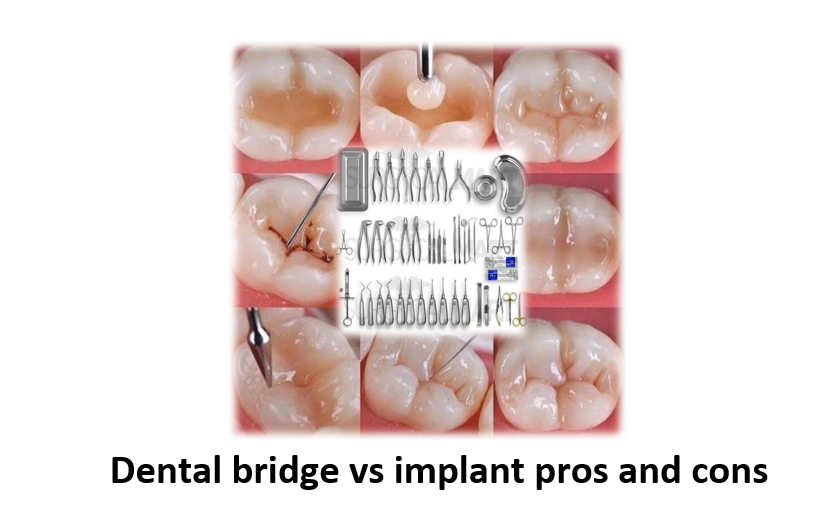
Dental bridge vs implant pros and cons: Guide for tooth replacement
Recent shifts in dental health trends show that more adults are prioritizing restorative care than ever before, driven by a growing awareness of the link between oral health and overall wellness. Navigating the complex world of tooth replacement often leads to a pivotal crossroad: choosing between a fixed bridge or a permanent post. Understanding the dental bridge vs implant pros and cons is essential for anyone looking to reclaim their smile while maintaining their long-term health and budget.
The dental landscape has changed dramatically over the last decade, with new clinical data suggesting that patient preferences are shifting toward longevity and biocompatibility. While traditional methods remain highly effective, technological advancements have introduced options that were once considered futuristic. This creates a need for clear, unbiased information to help individuals make the right call for their unique physiological needs.
Selecting the right restorative treatment is not just an aesthetic choice but a biological commitment that affects the jawbone and surrounding teeth. Every gap in a smile tells a different story, and the solution must be tailored to the specific health of the gums and the density of the bone. Let’s explore the current state of restorative dentistry and how these two primary options stack up against each other in the modern clinic.
Contents
hide
The Evolution of Restorative Dental Technology
Source: Bing Images
Dentistry has moved far beyond the “one-size-fits-all” approach that characterized the mid-20th century. Today, clinicians use high-resolution 3D imaging and digital impressions to map out a patient’s oral landscape with incredible precision. This allows for a much more nuanced discussion regarding the dental bridge vs implant pros and cons before any physical work even begins.
The materials used in these procedures have also seen a massive upgrade. Modern ceramics and high-grade titanium are designed to mimic the natural light-reflecting properties of real teeth. This means that whether a patient chooses a bridge or an implant, the result is often indistinguishable from the teeth they were born with.
Clinical studies are now focusing heavily on the “success rate” over a twenty-year horizon rather than just a five-year period. This long-term perspective is vital because a choice that seems cost-effective today might require expensive revisions in the future. Modern news reports in the medical field frequently highlight how patient satisfaction is tied directly to the durability of their dental work.
Innovation in surgical techniques has also minimized recovery times for more invasive procedures. Minimally invasive implant placements and CAD/CAM designed bridges mean less time in the chair and faster returns to normal life. This progress has leveled the playing field, making both options more accessible to the general public than they were a generation ago.
However, with more options comes more responsibility to stay informed. A patient who understands the fundamental mechanics of their restoration is much more likely to maintain it properly. It is the partnership between a knowledgeable patient and a skilled provider that creates the best outcomes in the modern era.
Analyzing the Traditional Dental Bridge
Source: Bing Images
A dental bridge is a time-tested solution that has been the backbone of restorative dentistry for decades. It works by “bridging” the gap created by one or more missing teeth using the natural teeth on either side as anchors. These anchoring teeth, known as abutments, are fitted with crowns that support the prosthetic tooth, or pontic, in the middle.
One of the primary benefits of a bridge is the speed of the procedure. For those who need a functional smile quickly, perhaps for an upcoming event or job interview, a bridge can often be completed in just two or three visits. This efficiency is a significant factor when weighing the dental bridge vs implant pros and cons, especially for patients with busy schedules.
However, the bridge does require the alteration of healthy neighboring teeth. To place the crowns, the dentist must remove a portion of the enamel from the abutment teeth. This is a permanent change to the structure of teeth that might otherwise be perfectly healthy. It is a trade-off that requires careful consideration of the long-term health of those anchor teeth.
In terms of stability, bridges are very reliable and feel quite natural when eating and speaking. They are fixed in place, meaning there is no risk of them slipping like removable dentures might. The materials used today, such as zirconia or porcelain-fused-to-metal, offer great strength and a life-like appearance.
Cleaning a bridge does require a bit of extra effort, as it is impossible to floss between the pontic and the gum in the traditional way. Special tools like threaders or interdental brushes become part of the daily routine. Maintaining the health of the gums under the bridge is critical to preventing decay in the anchor teeth, which could lead to bridge failure.
The Long-Term Impact of Dental Implants
Source: Bing Images
Dental implants are often described as the gold standard of tooth replacement because they replace the root of the tooth, not just the crown. A titanium post is surgically inserted into the jawbone, where it undergoes a process called osseointegration. This means the bone actually grows around the post, locking it into place as if it were a natural part of the body.
This biological connection is a game-changer for bone health. When a tooth is lost, the jawbone in that area can begin to atrophy because it no longer receives the stimulation of chewing. An implant provides that necessary stimulation, helping to maintain the facial structure and preventing the “sunken” look that often accompanies long-term tooth loss.
When considering the dental bridge vs implant pros and cons, the independence of the implant is a major advantage. Unlike a bridge, an implant does not rely on neighboring teeth for support. This leaves the surrounding natural teeth untouched and easier to clean, which can lead to better overall oral hygiene outcomes over several decades.
The longevity of implants is another high point in clinical discussions. With proper care, an implant can last a lifetime, whereas a bridge may need to be replaced every 10 to 15 years. While the initial investment is higher, the “cost per year” often ends up being lower for the implant because of its extreme durability.
The main hurdle for many is the timeframe and the surgical nature of the process. Healing can take several months before the final crown can be attached. This requires patience and a commitment to the process, but most patients report that the result—a tooth that feels and functions exactly like the original—is well worth the wait.
Longevity and Maintenance Requirements
When we look at how these restorations perform over the years, a clear distinction emerges in their maintenance needs. A dental bridge requires vigilant care around the margins where the crown meets the gum line. If bacteria seep under the crown, the anchor tooth can decay, potentially compromising the entire structure.
Implants, conversely, are resistant to cavities because they are made of metal and ceramic. However, they are not immune to gum disease. A condition called peri-implantitis can occur if plaque is allowed to build up around the implant site, leading to inflammation and potential bone loss. This means regular professional cleanings remain a non-negotiable part of life.
In the debate of dental bridge vs implant pros and cons, longevity is often the deciding factor for younger patients. An individual in their 30s or 40s may find that an implant is the only logical choice to avoid multiple bridge replacements over their lifetime. For older patients, the shorter procedure time of a bridge might be more appealing.
Physical activity also plays a role in maintenance. Those who play contact sports or have a history of grinding their teeth (bruxism) need to discuss these habits with their dentist. Implants are incredibly strong, but the ceramic crowns on top can still chip under extreme pressure, just like natural teeth or bridge pontics.
Ultimately, the “winner” in the longevity category depends on the patient’s commitment to hygiene. A well-maintained bridge can easily outlast a neglected implant. The technology provides the foundation, but the daily habits of the user determine the actual lifespan of the restoration.
Financial Considerations and Insurance Coverage
The financial aspect of dental work is a major concern for most households. Traditionally, dental bridges have been the more affordable upfront option. Most insurance plans categorize bridges as a standard restorative procedure, often covering a significant percentage of the cost, which makes them very attractive for those on a strict budget.
Dental implants were once considered “cosmetic” by many insurers, leading to high out-of-pocket costs for patients. However, the tide is turning. Many modern insurance providers are starting to recognize the long-term health benefits of implants and are offering partial coverage. It is always worth checking the latest updates in your policy before making a final decision.
A thorough analysis of the dental bridge vs implant pros and cons must include the “lifetime cost” of the restoration. If a bridge costs $3,000 but needs to be replaced twice in thirty years, the total cost exceeds that of a $5,000 implant that lasts the same duration. Savvy patients are increasingly looking at their dental health as a long-term investment rather than a one-time expense.
Financing options have also become more prevalent in the dental industry. Many clinics offer monthly payment plans or work with third-party medical lenders to make the higher cost of implants more manageable. This shift in the financial landscape has made what was once a luxury treatment into a viable option for a broader range of patients.
It’s also important to factor in the cost of potential “pre-treatments.” For example, an implant might require a bone graft if the jaw has already thinned, which adds to the total bill. A bridge might require root canals on the abutment teeth if they are not strong enough to support the load. Always ask for a comprehensive quote that includes all necessary preparatory work.
Functional and Aesthetic Differences
How a tooth feels when you bite into an apple or speak during a presentation matters just as much as how it looks in a photo. Implants provide a level of stability that is virtually identical to natural teeth. Because they are anchored in the bone, they transmit the force of chewing directly to the jaw, providing a sensory experience that bridges can’t quite match.
Bridges, while very stable, can sometimes feel a bit “different” to the tongue because they involve three or more teeth joined together. Some patients notice a slight change in their speech patterns initially, though most adapt within a few days. The aesthetic result of a bridge is usually excellent, as modern ceramics can be shaded to match the surrounding teeth perfectly.
In the context of the dental bridge vs implant pros and cons, the aesthetic of the gum line is a subtle but important detail. Over time, the bone underneath a bridge pontic may recede, creating a small gap between the prosthetic tooth and the gum. An implant prevents this recession, maintaining a more natural “emergence profile” where the tooth looks like it is growing out of the gum.
For front teeth, the visual stakes are higher. A skilled laboratory technician can create a bridge that looks stunning, but the challenge lies in the “black triangle” effect that can sometimes occur if the gums recede. Implants are often preferred for the “smile zone” because they support the gum tissue more effectively over long periods.
Ultimately, the choice often comes down to the patient’s specific anatomy. If the missing tooth is in an area with low bone density, a bridge might actually look better than an implant that requires complex grafting. A transparent conversation with a cosmetic-focused dentist will help clarify which option will yield the most confident smile.
Which Option Suits Your Lifestyle?
Your daily routine and health history are the final pieces of the puzzle. For instance, smokers may find that dental implants have a higher failure rate because nicotine restricts blood flow to the gums, slowing the healing process. In such cases, a bridge might be a more predictable and successful option for restoring the smile.
Patients with certain systemic health issues, like uncontrolled diabetes or autoimmune disorders, also need to take special care. Surgery might pose higher risks, making the non-invasive nature of a dental bridge much more appealing. Health is a dynamic thing, and what was the right choice five years ago might not be the right choice today.
Consider your timeline as well. If you are a frequent traveler or have a job that keeps you on the move, the multiple stages of an implant—consultation, surgery, healing, abutment placement, and crowning—might be difficult to coordinate. A bridge offers a “fast-track” to completion that fits well with a high-paced lifestyle.
On the other hand, if you value a “set it and forget it” approach, the implant is the winner. Once the healing is done, it requires no more specialized care than a natural tooth. You don’t have to worry about the health of the adjacent teeth being compromised by the restoration itself, which offers significant peace of mind.
Reviewing the dental bridge vs implant pros and cons with your dentist should feel like a collaborative effort. They provide the clinical expertise, but you provide the context of your life, your goals, and your comfort level with dental procedures. Together, you can decide which path leads to the healthiest version of your smile.
The “News” in the dental world is that patients are no longer limited by old-fashioned techniques. Whether you choose the rapid restoration of a bridge or the foundational strength of an implant, you are benefiting from decades of research and refinement. The most important step is simply starting the conversation and taking action before a missing tooth leads to further complications.
In conclusion, both options have a solid place in modern medicine. By weighing the dental bridge vs implant pros and cons against your personal priorities, you can make a choice that you’ll be happy with every time you look in the mirror. Your smile is an investment in your confidence and your health; make sure you choose the foundation that best supports your future.